2025 Can-Am Canyon Redrock
Can-Am's three-wheeled touring machine. All the Spyder engineering with a new look, and a Chase Score that reflects the honest read. It's not a motorcycle.
The Good
- Excellent wind protection. One of the best windscreens Chase has tested
- Massive dashboard touchscreen with built-in reverse camera
- All-day comfort with upright ergonomics and firm-but-supportive seat
The Bad
- Steering requires significant physical effort. This is not a motorcycle handling experience
- No front brake lever, all braking through a single foot pedal. Disorienting for motorcyclists
- $32,299 before accessories. Buys two better motorcycles
The Three-Wheeled Touring Machine
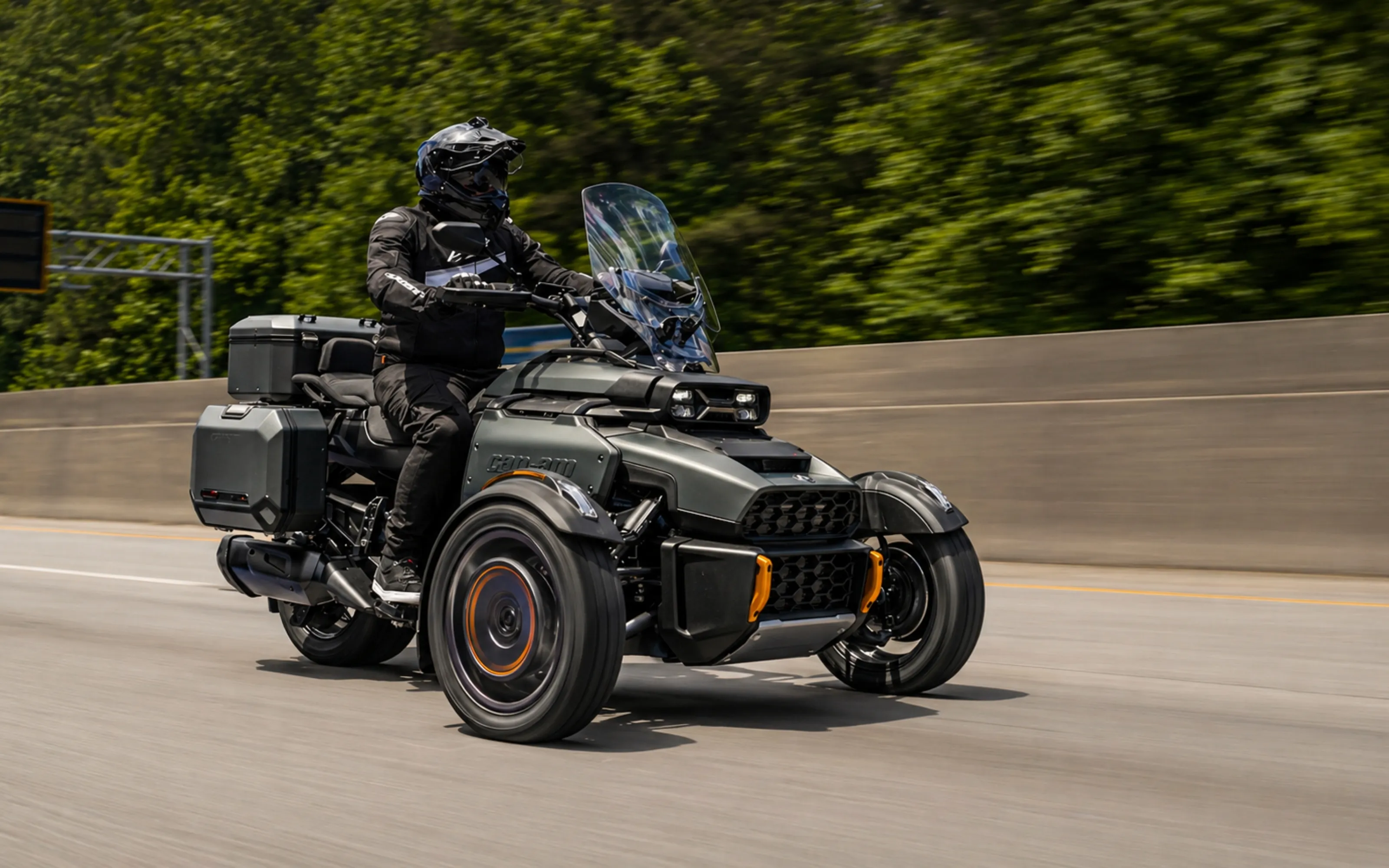
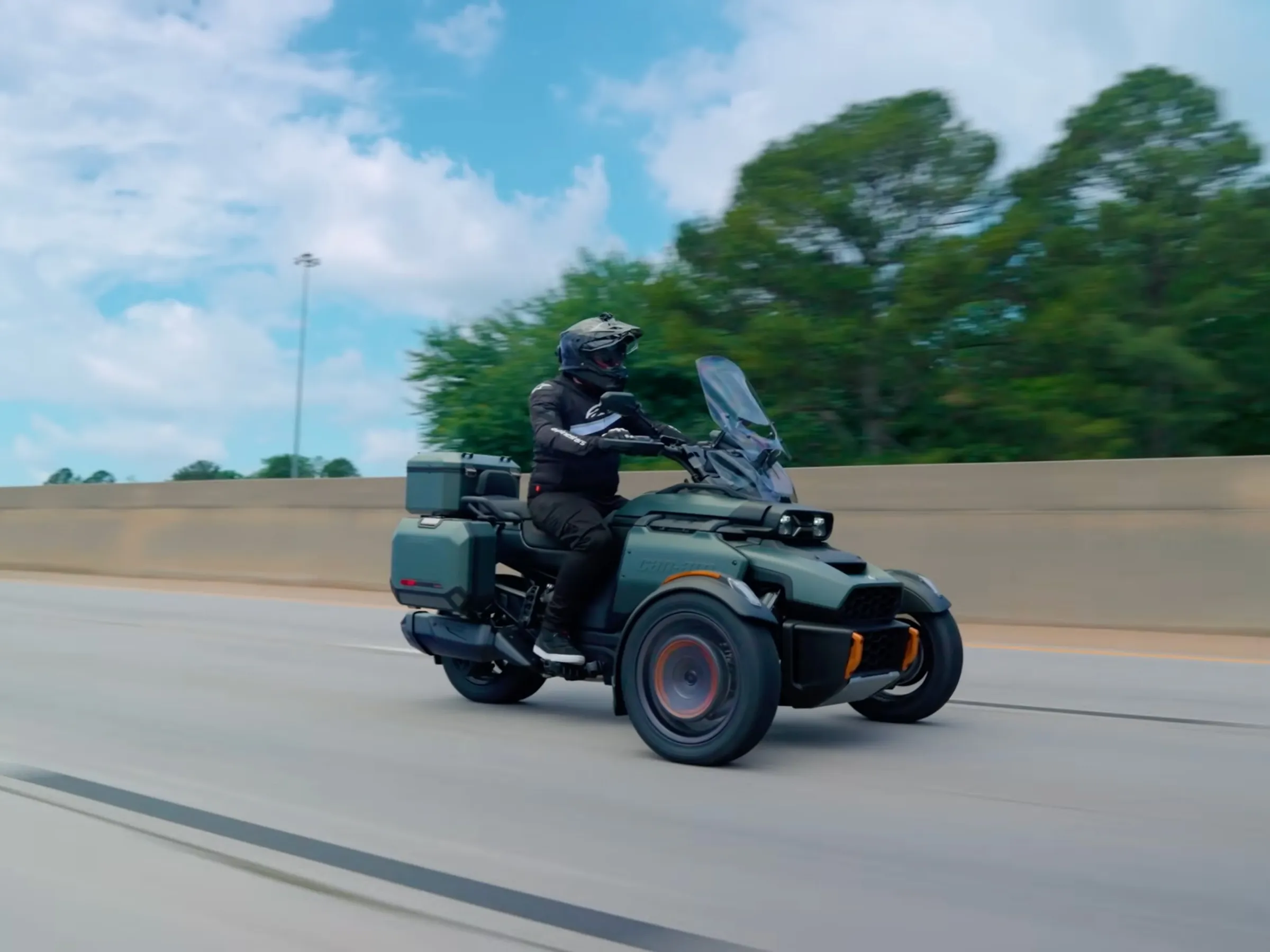
Chase's intro for this one starts: "I'm Chase on Three Wheels." That's the joke that sets up the whole review. The 2025 Can-Am Canyon Red Rock is part of Can-Am's Spyder lineage: two front wheels, one rear, a handlebar that looks like a motorcycle but absolutely does not ride like one. It's a 1,036 lb (not a typo) three-wheeler with a 1,330cc triple, paddle-shift transmission, panniers standard, and a $32,299 sticker price.
Chase's honest conclusion halfway through the ride: "I think my issue might be that I want this to be a motorcycle and it's not." That's the core tension in this entire review. The Canyon Red Rock is a genuine vehicle built for a specific type of buyer. Someone who wants the open-air wind-in-the-face touring experience without the balance demands of two wheels. For that buyer, a lot of what Chase scored low is actually what they're paying for.
Performance highlights
1,330cc inline-triple, 115 horsepower, 96 lb-ft of torque, 1,036 lb wet, 7-gallon tank, 33.2" seat height. Throttle response scores 4, "feels laggy and uninspiring. Even in sport mode, it feels like it's holding something back." For 1,330cc pushing over 1,000 lb, the power-to-weight is honestly the math.
Acceleration earns 4. "The weight just eats the performance." The 40-80 pull revealed a noticeable power dip during paddle-shift transitions. The camera literally hit Chase's phone from the forward-lurch during a gear change.
Agility is the painful 3. This is the category where the bike's three-wheel nature shows up hardest. "Jeez, man. This is not like a motorcycle. You are having to manhandle this thing around." Steering input requires real arm strength, and Chase specifically flagged "a good arm pump if you go to the mountains on one of these." Because it doesn't lean, you can't use body English. It's pure handlebar force.
Brakes rate 4. Brembo calipers that stop the bike effectively. But there's no front brake lever. Everything is a single foot pedal. Chase kept reaching for a front brake that doesn't exist: "I have to intentionally put my foot over that brake pedal." For anyone with motorcycle muscle memory, this is disorienting the entire first ride.
Suspension is 6. KYB front and rear, adequately tuned for the weight. "Getting the bike leaned over, it felt good." The suspension isn't the problem; the steering effort required to use the suspension is.
Closer Look
Swipe to explore.
I think my issue might be that I want this to be a motorcycle and it's not.
Rider experience & tech
Comfort is the category-best 7. All-day upright ergonomics, wide-ish firm-but-supportive seat (Chase called it "the perfect firmness"), bars at a comfortable neutral height, and "a ton of wind protection from the giant adjustable windscreen." If you measure motorcycles by "can I do 8 hours in one sitting," the Canyon Red Rock earns its score here.
Tech scores 7. Huge 10"+ touchscreen dashboard with a reverse camera (useful for backing this 1,036-lb machine into a parking spot). Cruise control. Multiple ride modes (Custom, Normal, Sport, All-Road, Rally). Heated grips. Keyless. Apple CarPlay. Full LED lighting. The feature list is genuinely comprehensive. UI clunkiness (the current ride mode isn't persistently displayed) is the main deduction.
Ease of use is 7. No balance required at stops. You literally just sit there. Paddle-shift auto-downshifts but doesn't auto-upshift. Startup sequence has a quirk (foot on brake, parking brake release, shift to first) that takes a minute to learn. For a rider coming from a car, this is genuinely easier than a motorcycle. For a motorcyclist, it's a relearn.
Versatility is 7. Long-haul touring: excellent. Light gravel roads: capable (that's the Rally mode's purpose). City: workable but bulky. Canyon riding: the steering effort makes this fatiguing. Two-up: yes, and with the panniers, long two-up trips are the bike's whole mission.
Fun-for-the-money is 7. Chase's on-camera scoring of fun-for-the-money was 1 ("at $32,000 this thing is straight-up wild"), but the xlsx scores at 7. Honoring the xlsx here.
The Chase Score & final thoughts
With a Chase Score of 56/100, Meh Tier, the Canyon Red Rock is the case study for "a vehicle being unfairly compared to motorcycles when it isn't one." 21 ride points + 35 usability points = a machine that's sunk on the ride scoring because Chase was evaluating it as a motorcycle, and lifted on usability because comfort and tech are genuinely strong.
Buy it if two-up long-distance touring is your actual mission, if you want the open-air feeling without the balance-demands of two wheels, if mobility issues preclude a traditional motorcycle, or if you currently own a Spyder and want a more ADV-styled replacement. Skip it if you're an experienced motorcyclist expecting a motorcycle-like experience, if $32k feels rich without proven Can-Am two-wheeler credibility, or if a proper tourer (Gold Wing at $29k, Indian Pursuit at $30k) fits the use case better. Chase's close: "Who do you think this vehicle is for? Maybe some of you guys ride Can-Ams and you can offer me some help." That's the honest take. This is a niche vehicle with a specific buyer, and Chase isn't that buyer. Your buyer may exist.
The Chase Score Breakdown
Technical Specs
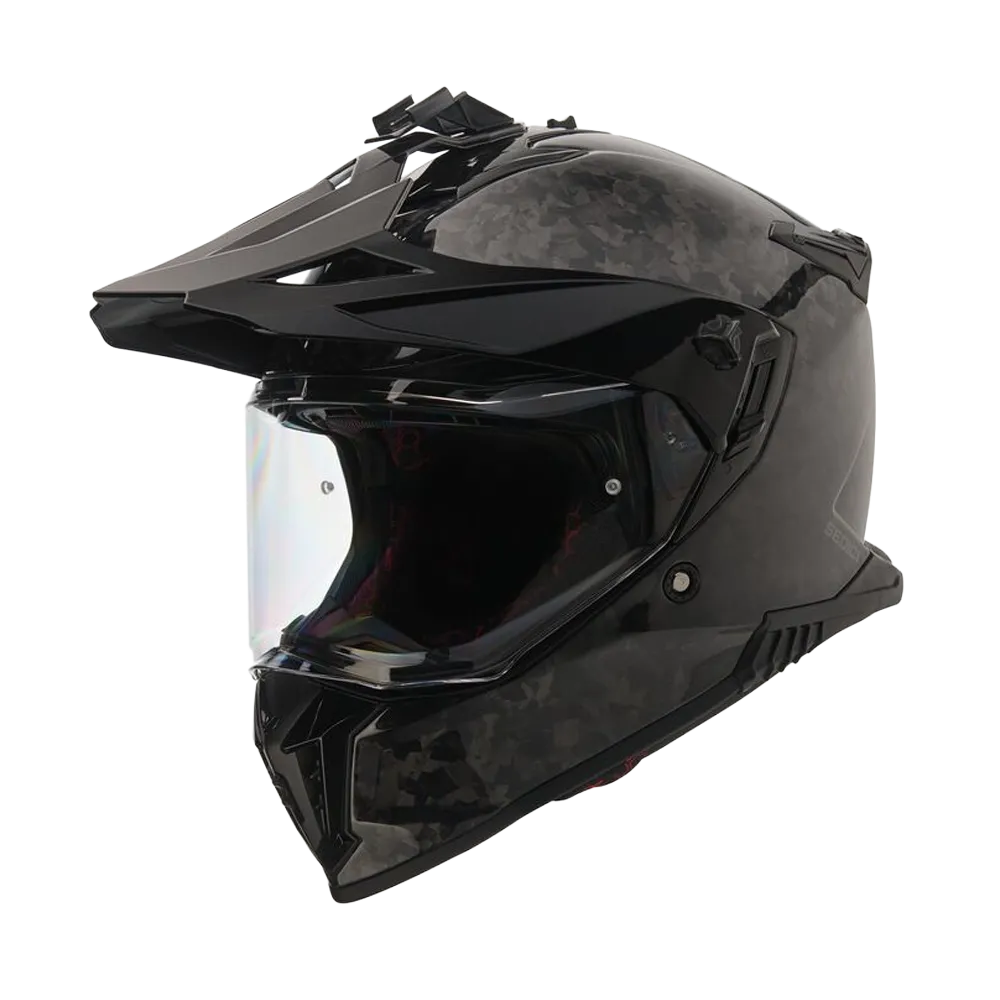
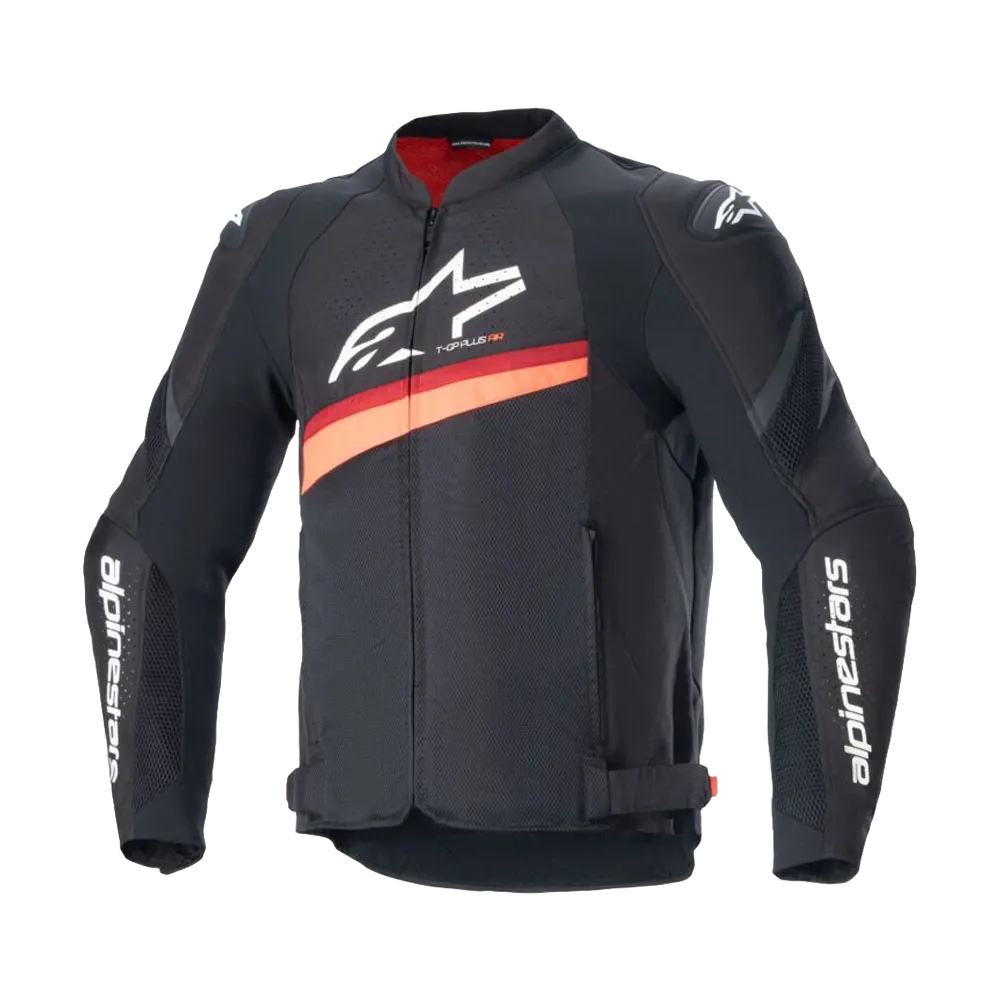
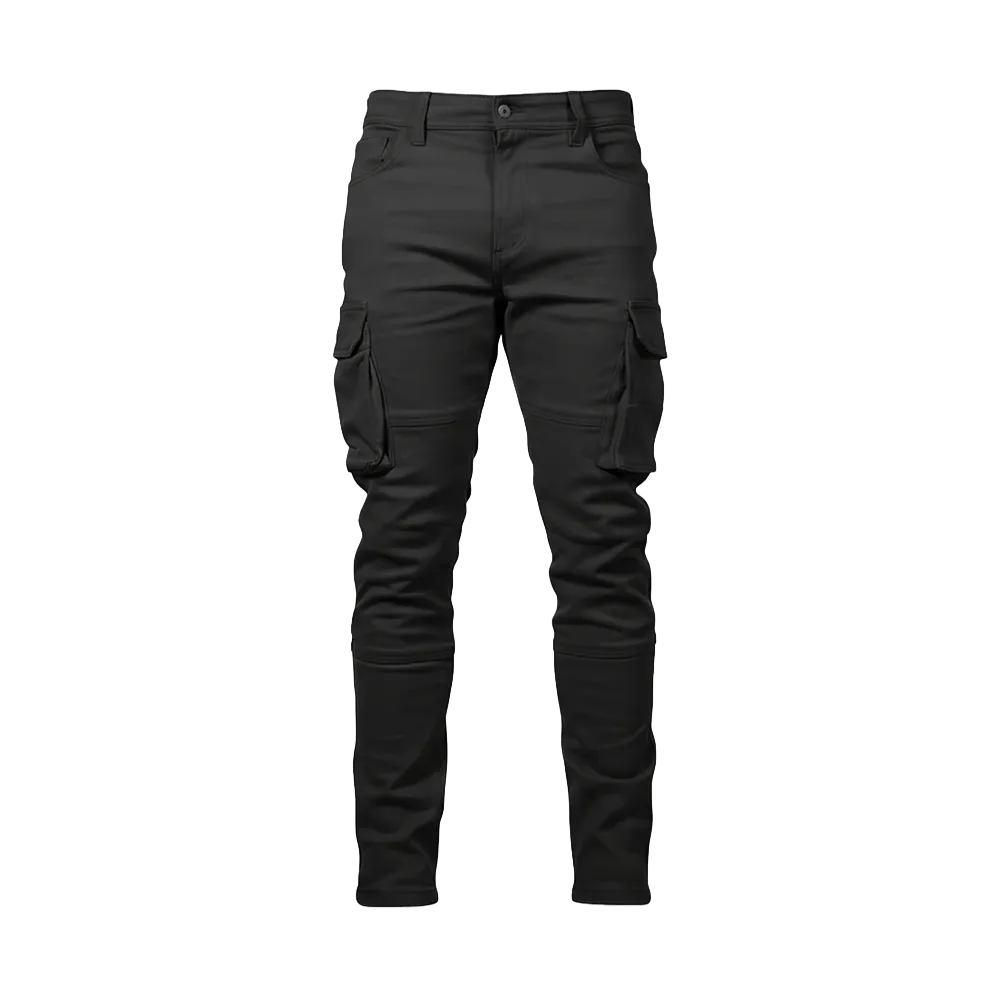
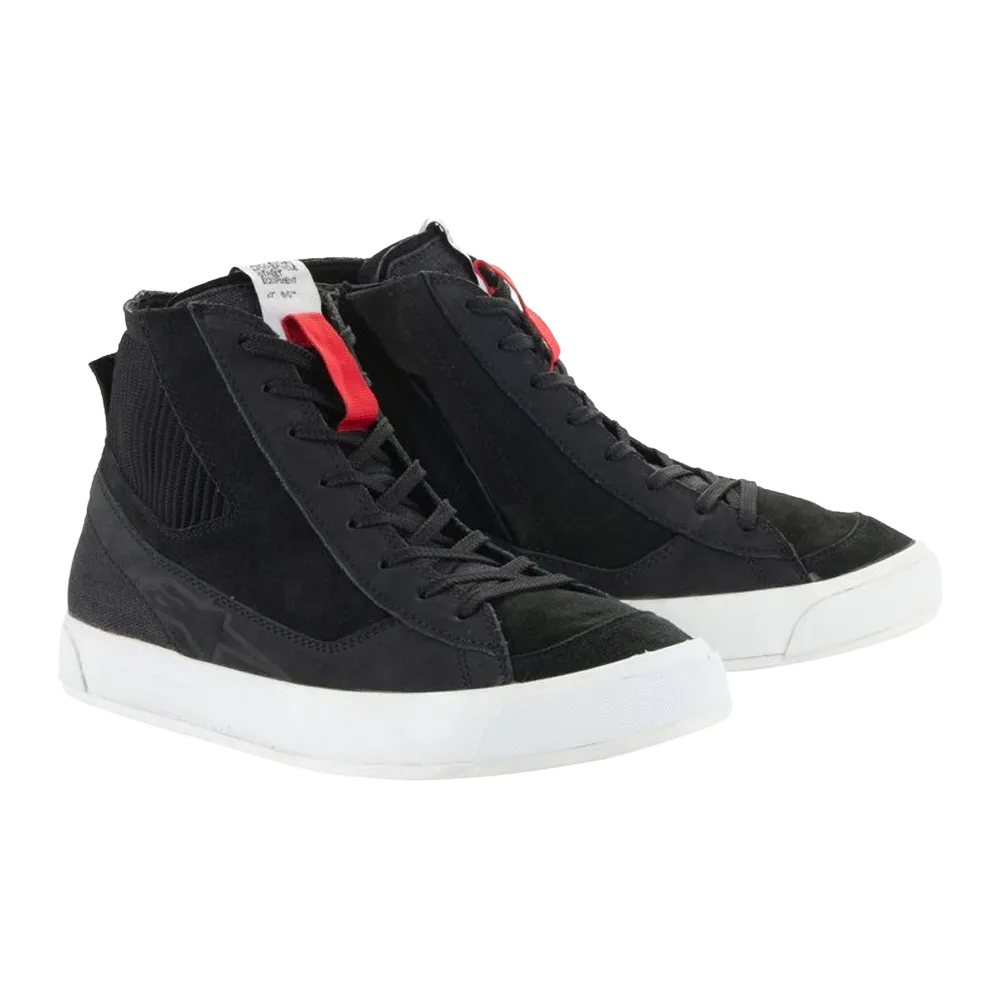
Gear from this ride