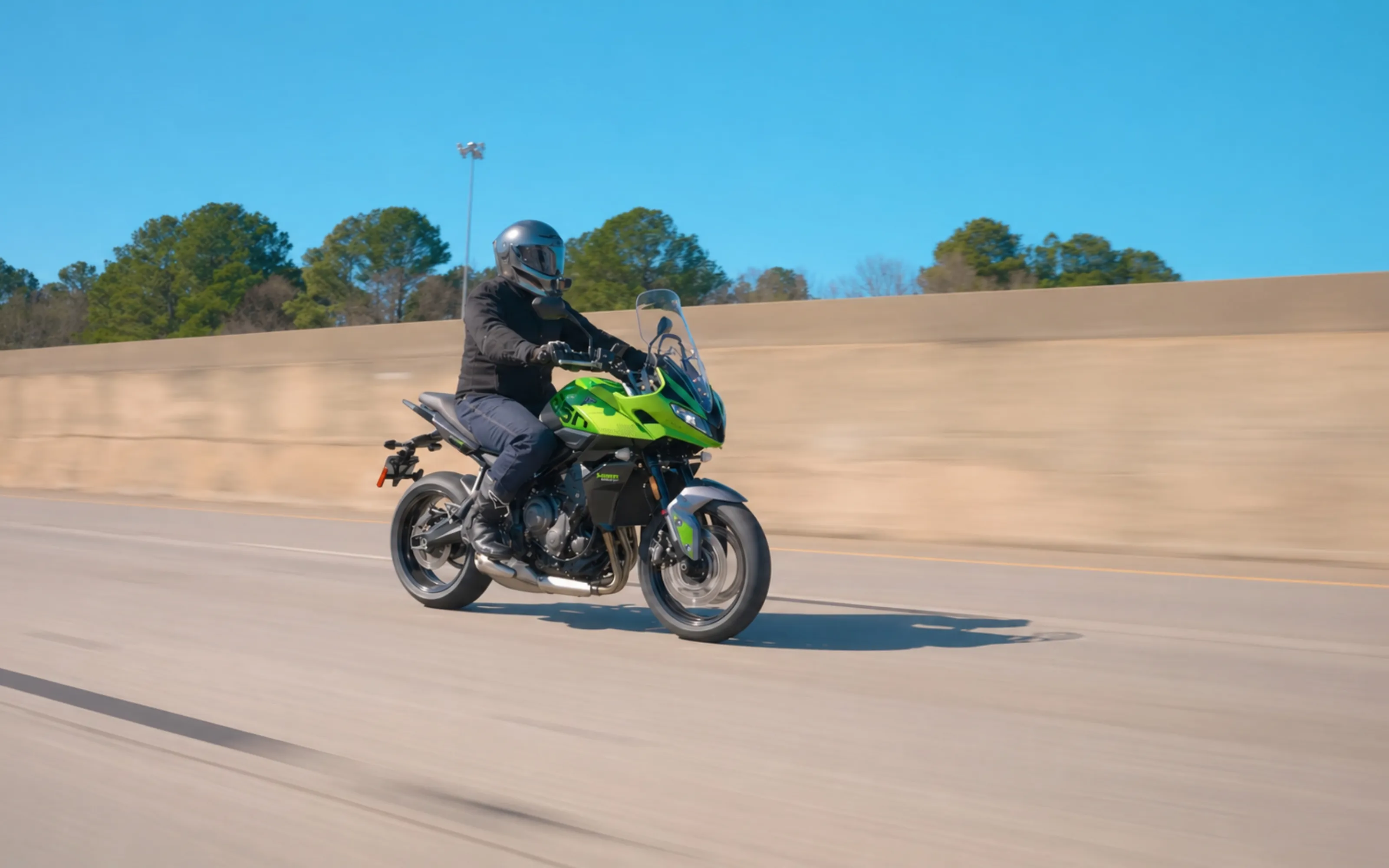
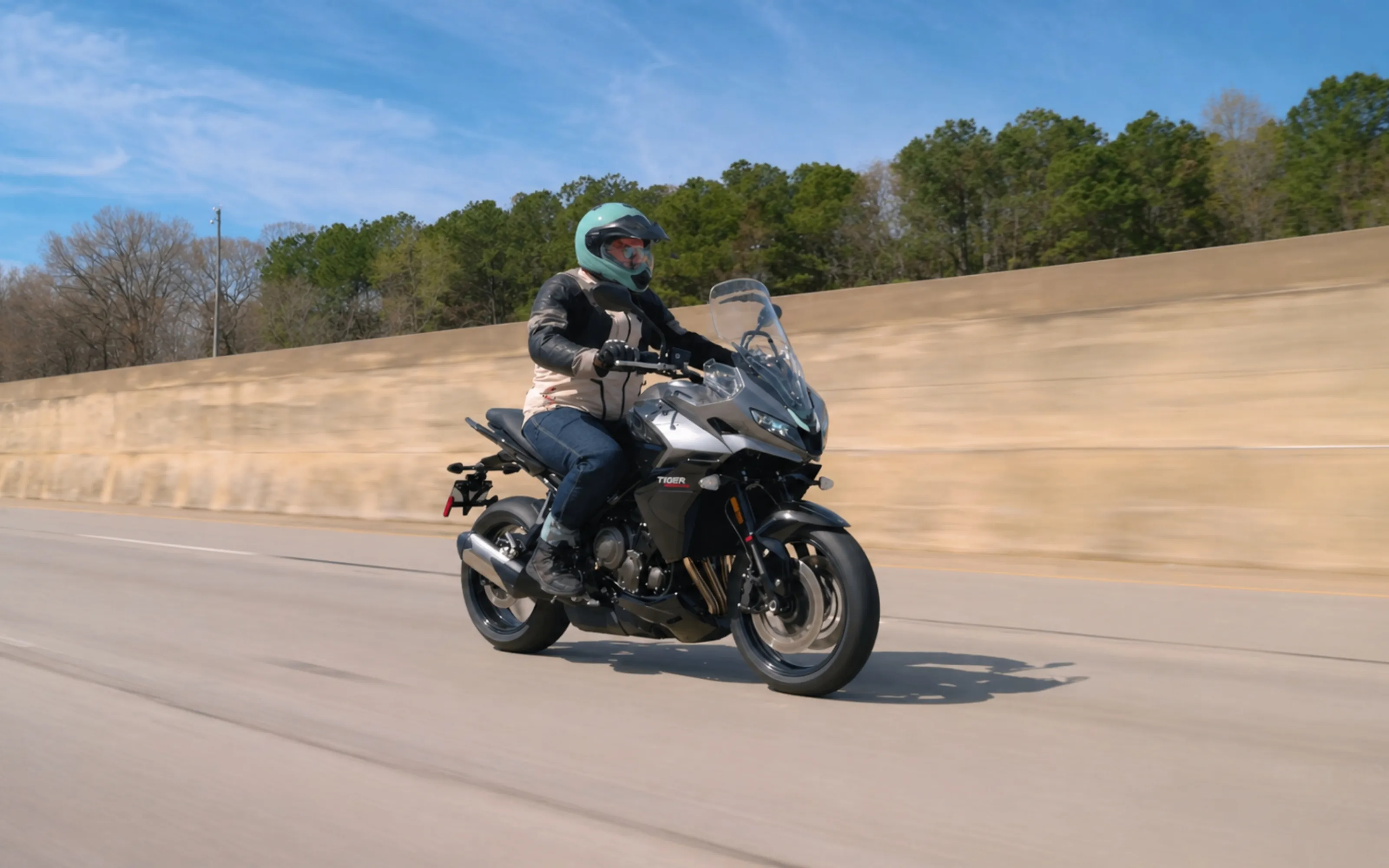
2025 Triumph Tiger Sport 800
Triumph's bigger sport-tourer triple. The 800 is the 660 you actually wanted, for about $3k more.
The Good
- 113 hp / 62 lb-ft 800cc triple. Enough extra grunt over the 660 to feel meaningfully different
- Front fairing vent-winglets actually work. Noticeably better highway wind protection than the 660
- Adjustable front suspension (compression left / rebound right). Not a feature on the 660
The Bad
- Power lives high in the rev range. Low-rpm response is softer than the spec sheet suggests
- Dash still doesn't show current ride mode. Same miss as the Tiger Sport 660 and Speed Twin 1200 RS
- Front brakes bite aggressively with limited finesse. Chase wanted more control before the hard stop
The 660 You Actually Wanted
When Chase rode the Tiger Sport 660 recently, a lot of viewers left the same comment: "ride the 800." So he did. The Tiger Sport 800 is the same concept with different displacement. A road-focused (not ADV) sport-tourer triple from Triumph, wider fairings, cruise control, quick-shifter, and an engine that makes 113 hp / 62 lb-ft versus the 660's 79 hp / 47 lb-ft.
The pitch is simple: for about $3,000 more over the 660 ($12,495 vs. $9,695), you get meaningfully more power, genuine front-fairing wind protection, and. The sleeper upgrade, adjustable front suspension. Chase discovered the last one mid-ride and flagged it as a real difference-maker. "I would recommend somebody get the 800 even over the 660 even if they're a new rider. You can just stick it in Rain mode." That's the head-to-head verdict.
Performance highlights
798cc inline-triple, 113 horsepower, 62 lb-ft of torque, 472 lb wet, 32.9" seat. Throttle response scores 7.5, "quick and responsive, delivered a pretty good amount of confidence." Still a Triumph triple, still soft-off-idle, still wants revs to come alive, but cleaner than the 660's smaller sibling.
Acceleration earns 7. The 40-80 pull made Chase audibly surprised: "We found the power. We played a little hide and seek with the power." The 800 puts its punch deep in the upper rev range. If you're grabbing gears like a twin-cylinder rider, you'll think the bike is slow. Rev it properly and it's genuinely quick.
Agility is 7.5. 472 lb moves around easily thanks to the wide bar and the road-bike geometry. Not razor-sharp, it's a sport-tourer, not a naked, but confidence-inspiring mid-corner and quick enough to thread traffic.
Brakes rate 6. Triumph-branded front calipers with real bite. "They bite really hard right off the get-go. I just want a little more easing in to the hard braking." The strong-initial-bite setup is ideal for emergency stops but less pleasant for smooth canyon work. Pad choice or line-routing changes could modulate this; on stock setup it's either all-on or all-off.
Suspension is 6. Showa front and it's adjustable, compression on the left fork cap, rebound on the right. Stock tune is comfort-leaning. Mid-corner feel has some "settling", Chase felt a little wiggle as the suspension figured out what it was doing. With the adjustability available, this is fixable. On the 660 it wasn't.
Closer Look
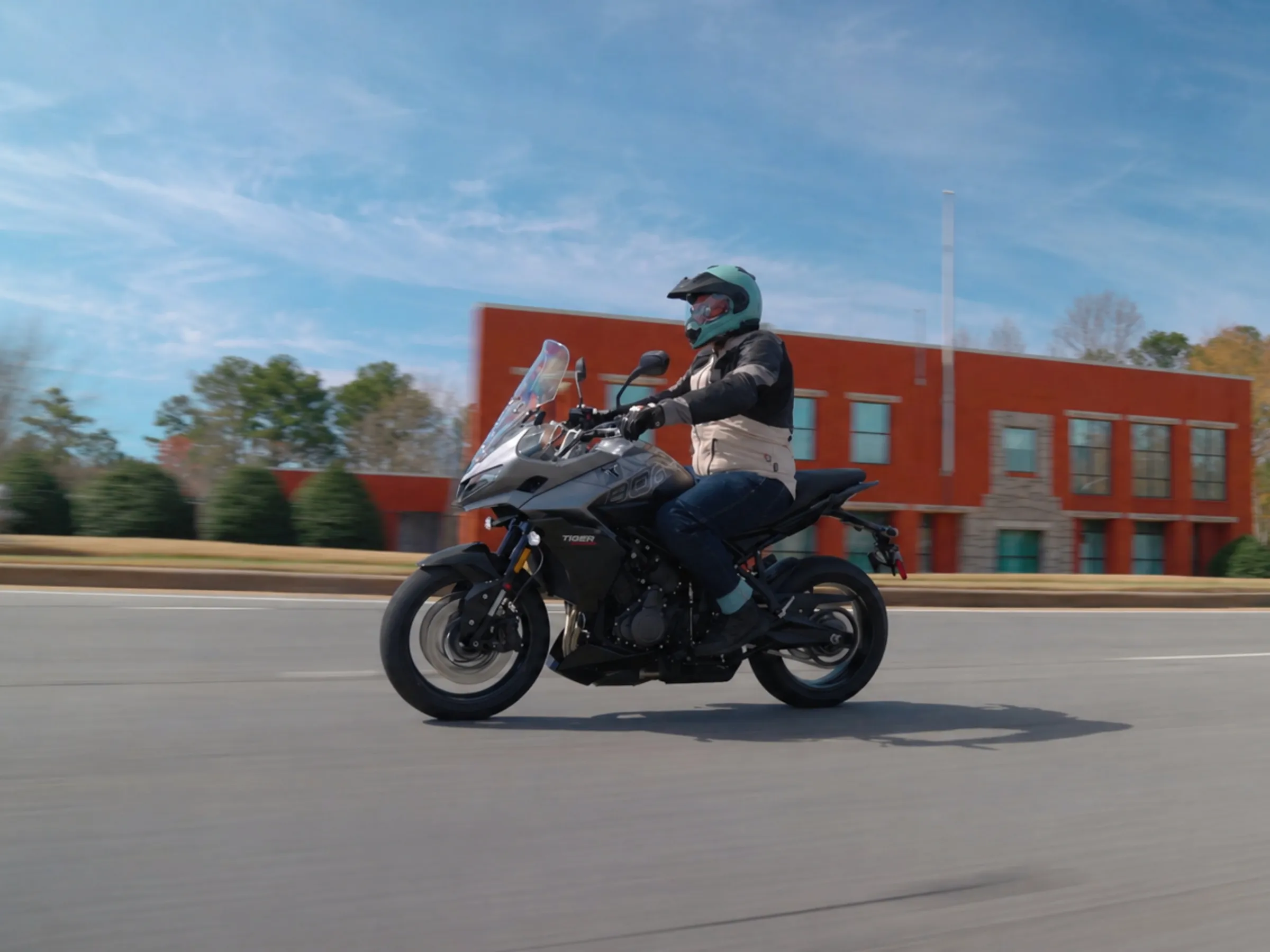
Swipe to explore.
We played a little hide and seek with the power.
Rider experience & tech
Comfort is 7. Wide seat, upright body position, pegs in a relaxed spot, adjustable windscreen that Chase ran in its tallest setting. The addition of front-fairing winglet vents (not on the 660) directs wind around the rider's body noticeably better, "I'm not feeling wind on my helmet until the very top and then these things are doing a phenomenal job of keeping the wind off my body and my shoulders."
Tech scores 5, same feature set as the 660, nothing elevated. Cruise control (critical), up/down quickshifter (the 800's is "so incredibly smooth, it's almost shocking"), three ride modes (Rain / Road / Sport), switchable ABS and TC, adjustable windscreen. What it doesn't have: TFT dash on par with pricier Tigers, onboard navigation (you can do it via the Triumph app but not natively), keyless start.
Ease of use is the same 3 as the 660. And for the same reason. The dash still doesn't tell you what mode you're in. Chase has hammered Triumph on this specific UX miss three times now (Speed Twin 1200 RS, Tiger Sport 660, Tiger Sport 800). It's a software fix they keep not making on mid-tier Triumphs. On a $12,495 motorcycle with ride modes, the dash absolutely should surface which mode is active.
Versatility is 5. Same mission profile as the 660, excellent city, good highway (now with real wind protection thanks to the winglets), touring-capable with accessory panniers, not a track bike, not an off-road bike. Fun-for-the-money is 7, a two-point jump over the 660, which Chase justified explicitly: "the added power makes this bike a lot more fun especially for experienced riders."
The Chase Score & final thoughts
With a Chase Score of 61/100, Good Tier, the Tiger Sport 800 is a slight-but-specific upgrade over the 660 that mostly wins by what the 660 lacked. 34 ride points + 27 usability points = a balanced package where the dashboard miss and the versatility overlap with the 660 drag the overall score below what the hardware alone justifies.
Buy it if you were considering the Tiger Sport 660 and want meaningfully more engine, if you highway-ride enough to care about the better wind management, or if the adjustable suspension changes your track-day-interest equation. Skip it if you're cross-shopping BMW F900 XR (similar price, better dashboard) or Ducati Multistrada V2S (more capable but $3k more still). Chase's close: "I cannot see a world where I wouldn't go with the 800 over the 660." Triumph gave the Tiger Sport line a clear buyer's-choice winner. Just fix that dashboard.
The Chase Score Breakdown
Technical Specs
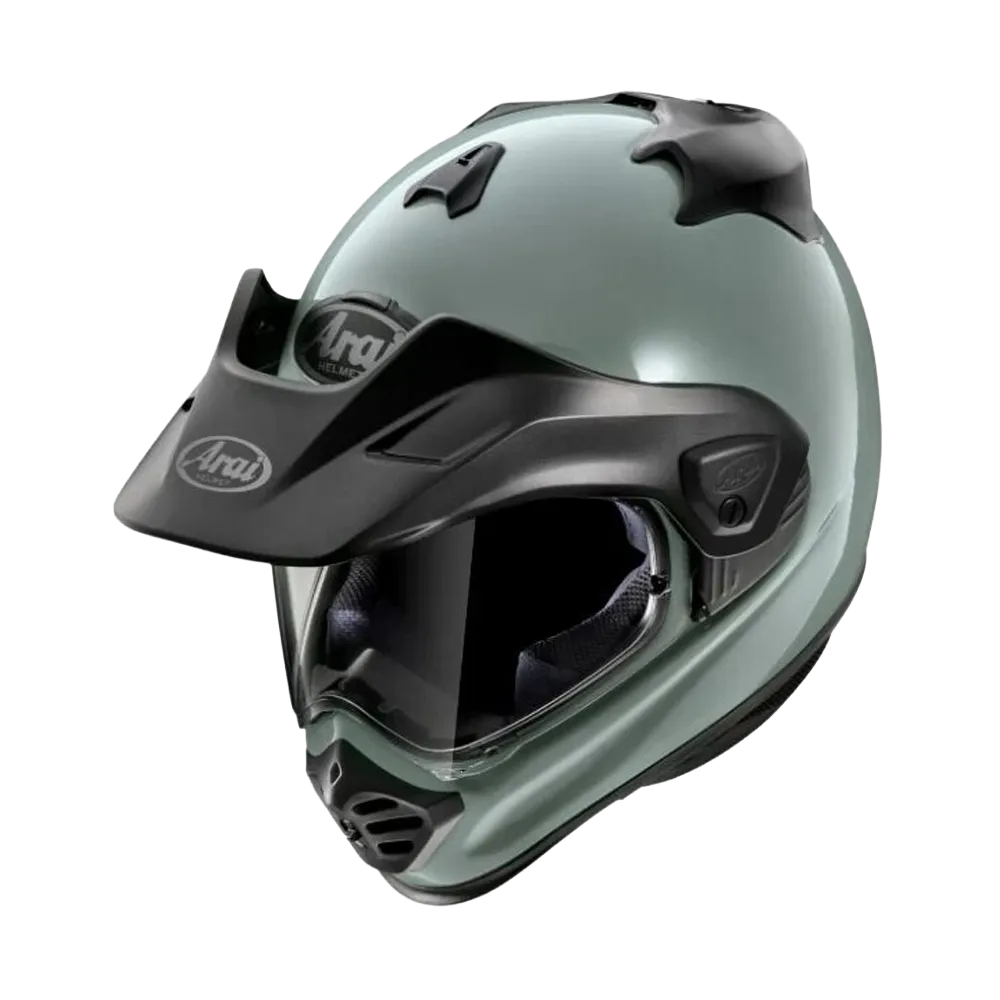
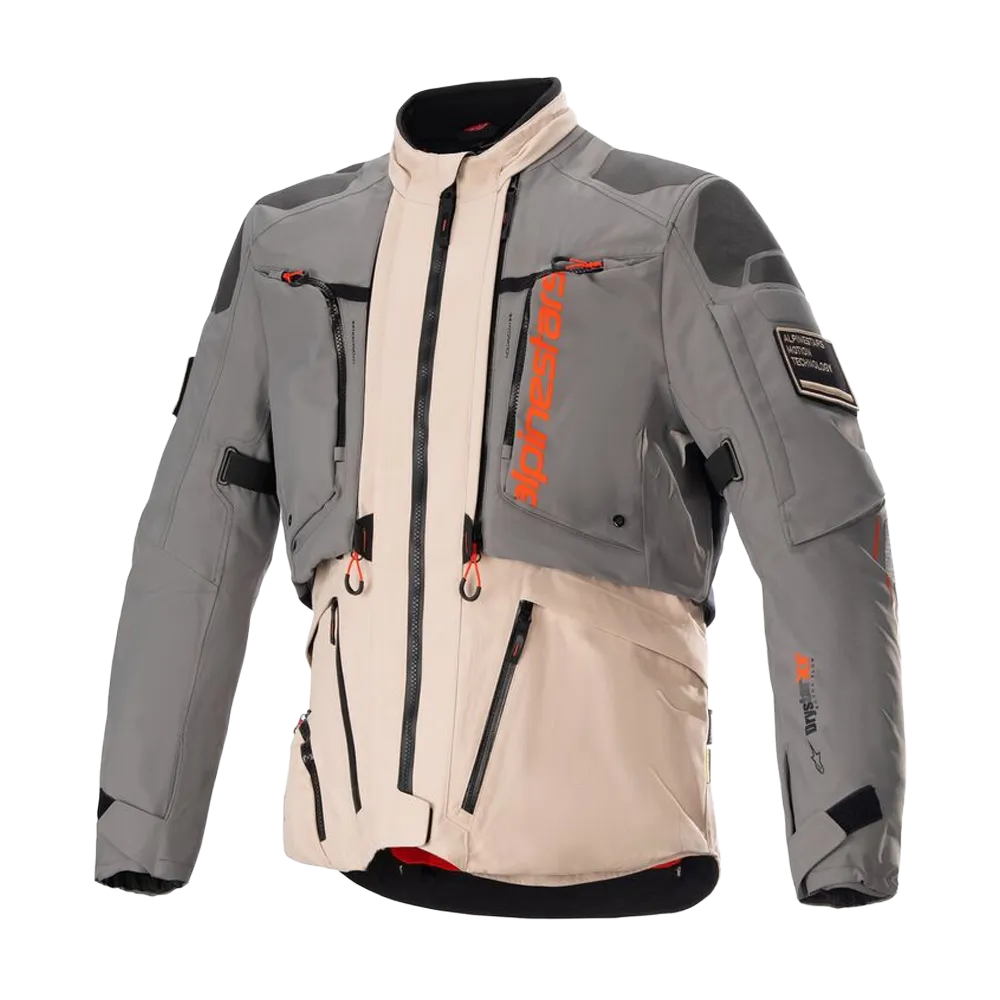
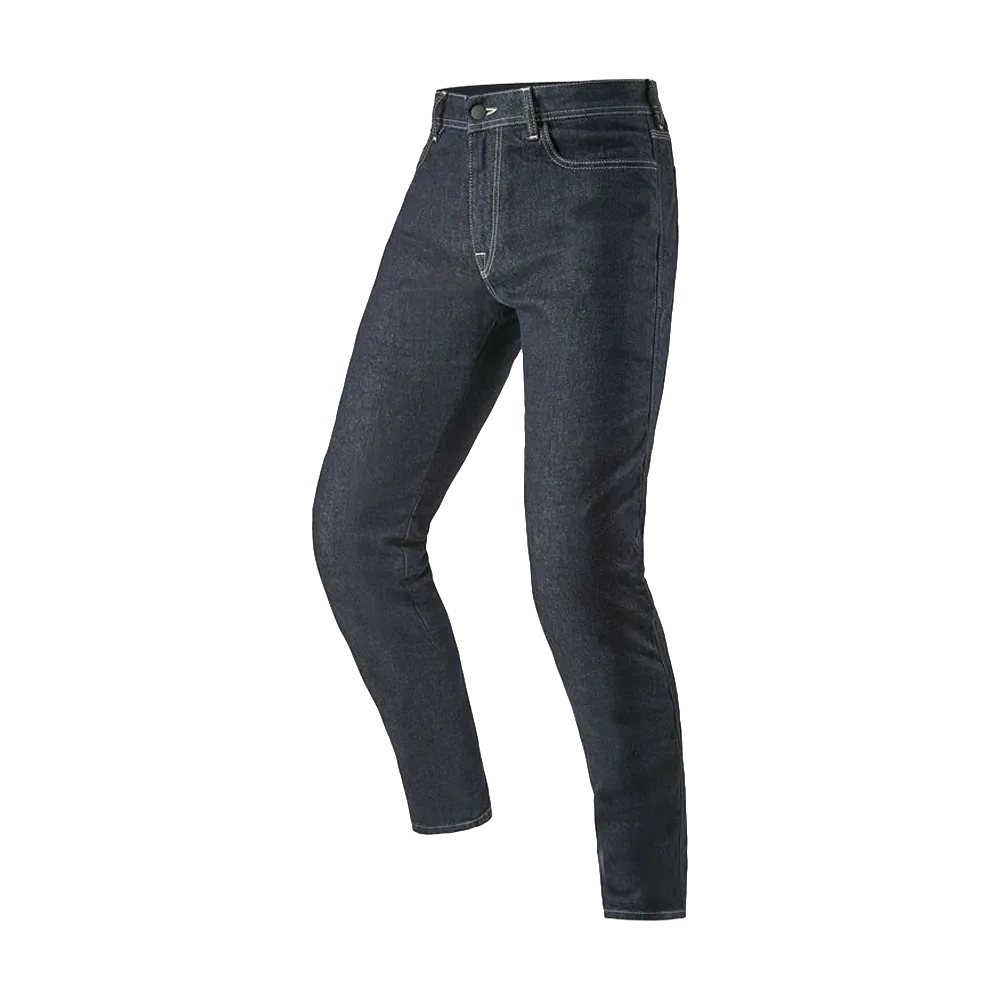
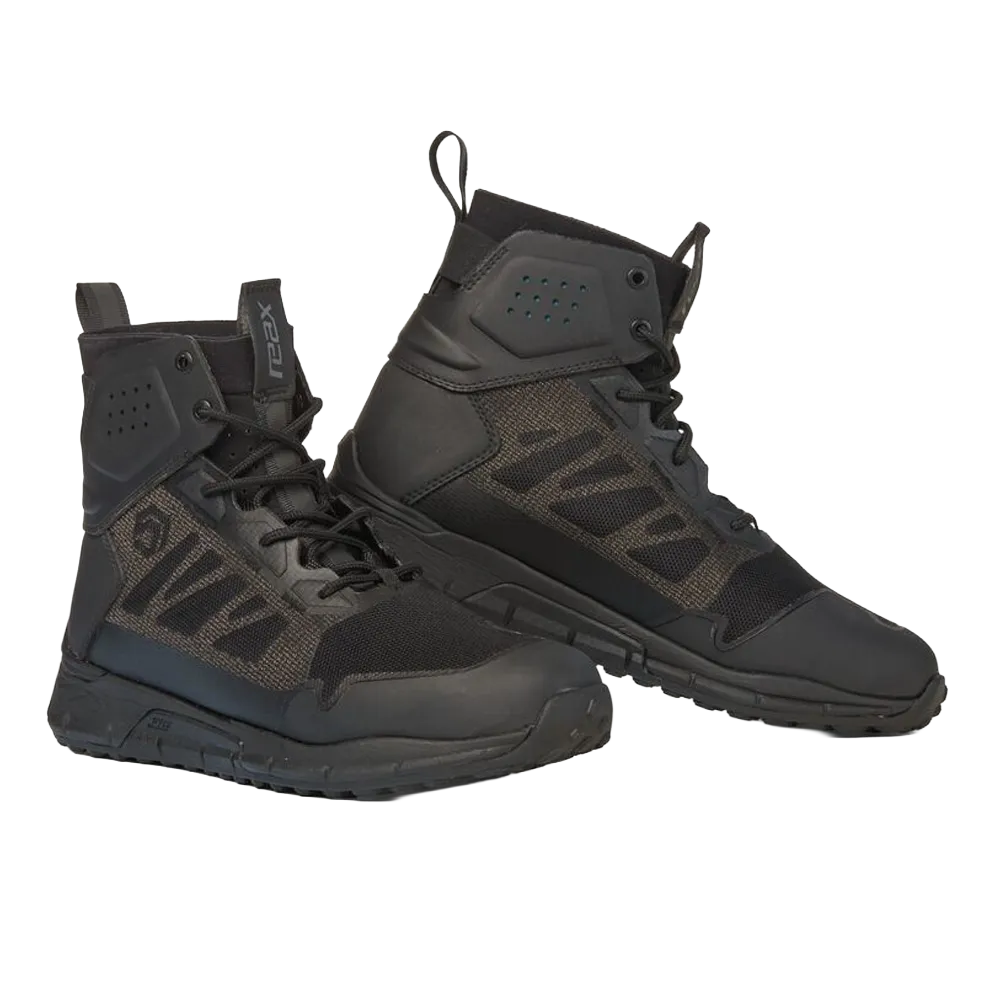
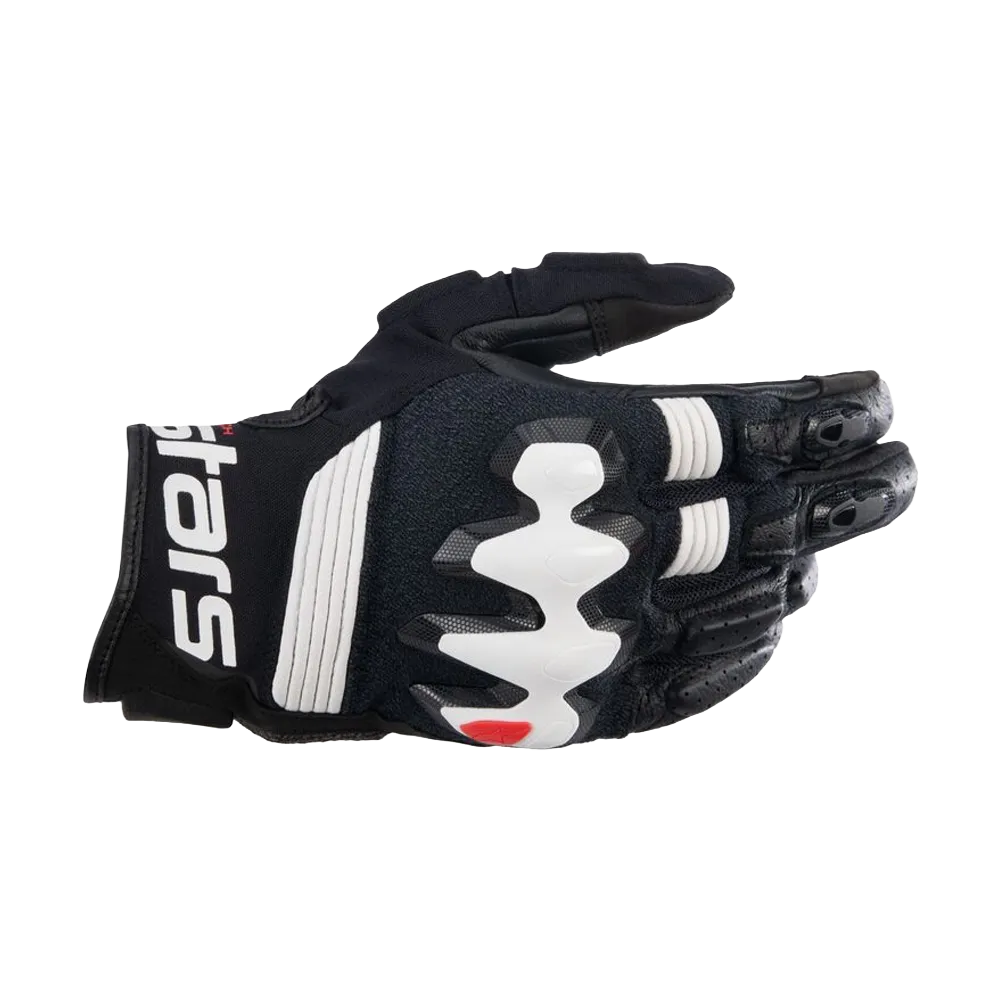
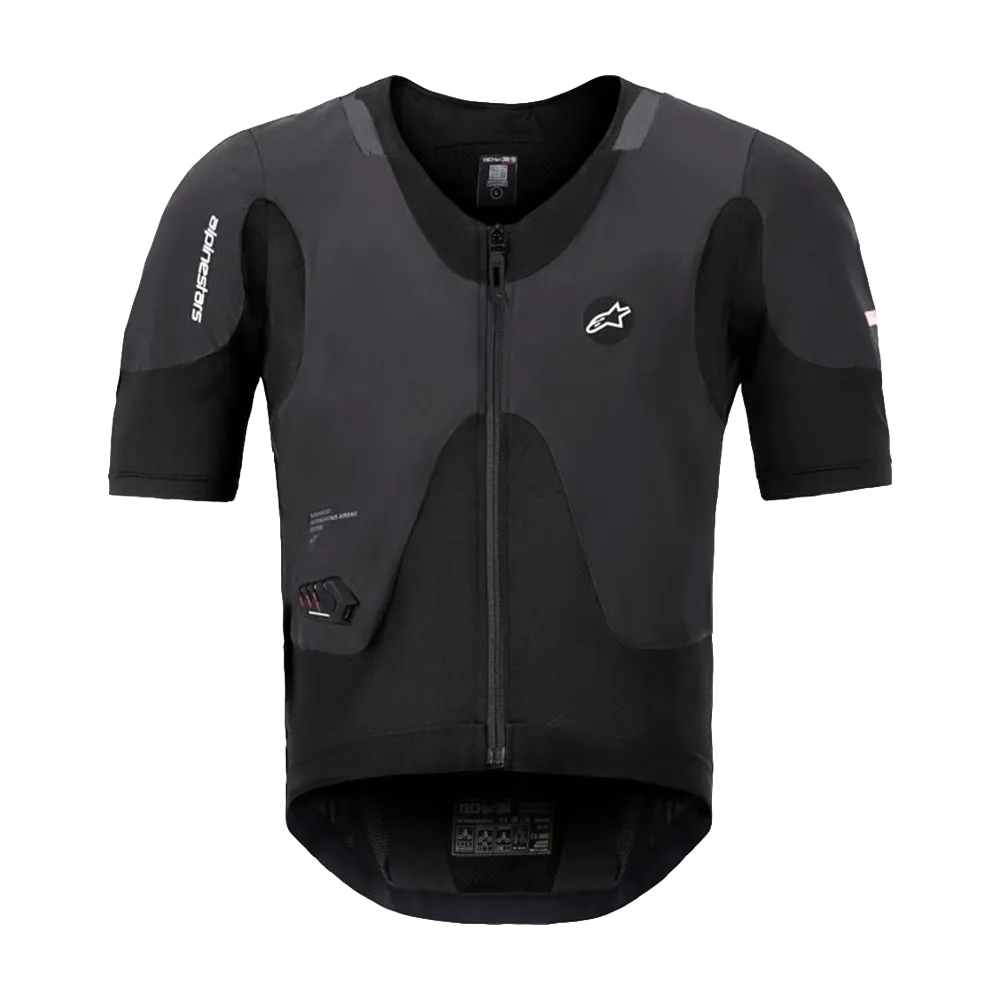
Gear from this ride