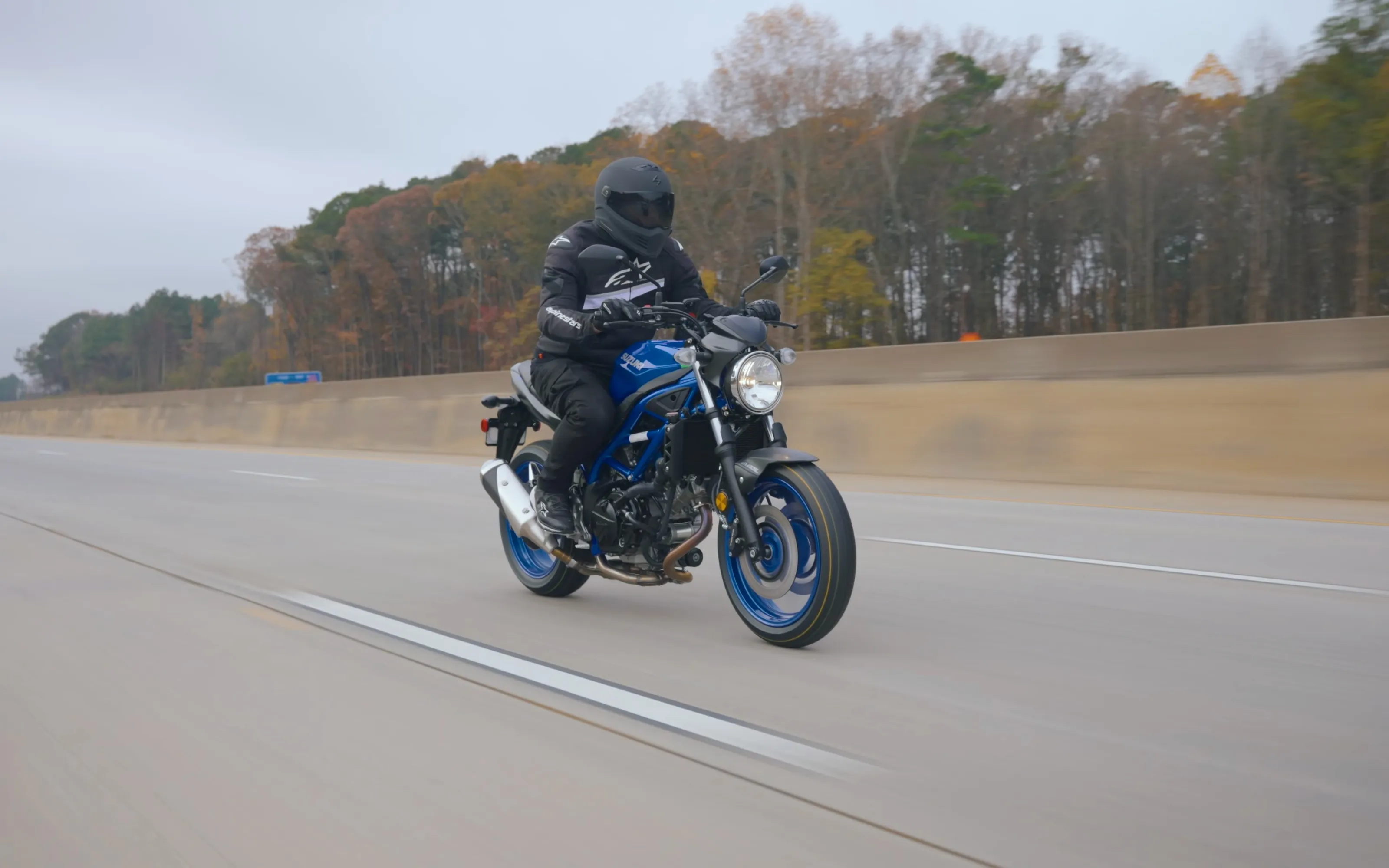
2026 Suzuki SV650
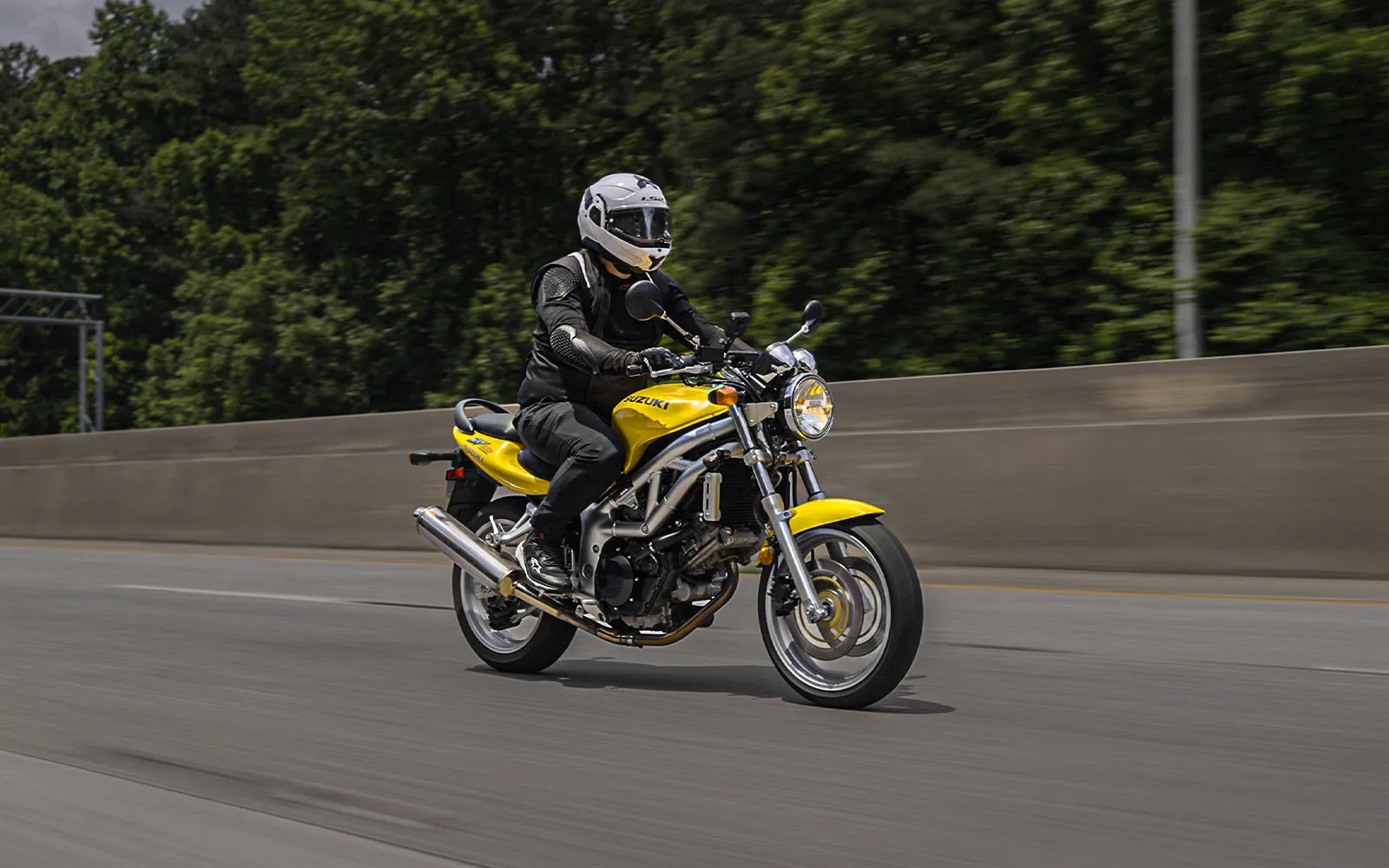
Suzuki's 20-year-old V-twin middleweight, barely touched and honestly still good. The original beginner bike that you can build into anything.
The Good
- The original beginner-friendly V-twin. This is the bike Chase learned to ride on back in 2005
- Infinite aftermarket. Commute, tour, track-day, streetfighter, cafe. The SV is the canvas
- 75 hp V-twin with properly punchy 40-80 acceleration that was faster than Chase expected
The Bad
- Suzuki has barely changed this platform in a decade. No ride modes, no cruise, old LCD dash
- Snatchy low-speed throttle. Hard to be smooth in stop-and-go traffic
- Narrow-feeling bars and 437 lb make it slower to flick than the middleweight-naked competition
The Bike That Started It All
Chase opens this first ride with a confession: "A 2005 SV 650 was the motorcycle that I started riding on." Twenty years and roughly 1,800 motorcycle reviews later, he's back on a near-identical machine. Because Suzuki has barely touched the SV 650 in that time. Same 645cc V-twin. Same basic chassis. Same LCD dashboard. Same no-ride-modes, no-cruise-control, no-traction-control simplicity.
In 2026, that's either a feature or a bug depending on who you are. For a new rider who wants something approachable, forgiving, and priced at $8,149, the SV 650 remains one of the best answers on sale. For anyone used to modern naked-bike tech, TFT dashes, IMU-backed electronics, multi-mode throttles, the SV is a genuine time capsule. Chase's review is honest about both sides.
Performance highlights
645cc 90-degree V-twin, 75 horsepower, 47 lb-ft of torque, 437 lb wet, 3.8-gallon tank, 30.9" seat height. Throttle response scores 6. "Kind of hard to be gentle with." The very-low-speed throttle is snatchy. Give it even a tiny twist off idle and the bike jumps. Once you're past that initial zone, the delivery is smooth and the V-twin character (all torque, medium-rev-range punch) is exactly what made this bike famous.
Acceleration earns the pleasant-surprise 7. "That V-twin picked up way more than I thought it would." The 40-80 pull was "way faster than I thought." V-twins are never the quickest 0-60, but they have a mid-range that pulls harder than spec sheets suggest. Chase's 10-year-old expectation of this bike was updated live.
Agility is 5. The real surprise-to-the-downside. On paper, 437 lb and a 650cc V-twin should flick. In practice, Chase felt the bars were too narrow and the bike was heavier-feeling in traffic than a Z-7 Hybrid or CB650R. "Not the most agile motorcycle. I don't know if it's because of like maybe thinner handlebars, but it just seems slightly lethargic to get moved side to side." Not a deal-breaker. It's still a willing bike in corners. But the class has moved on.
Brakes rate 5. Nissin-style soft-bite brakes with no real moment of commitment. "There's no point where I'm like, oh man, I'm really slowing down." 35-mile-on-the-odo break-in caveat applies, pads haven't bedded in, but the hardware alone isn't class-leading.
Suspension is 5 and is where the SV shows its age most. Non-adjustable front fork. Basic rear shock. Comfortable enough on normal pavement, but big bumps translate right through. Lean-over stability is adequate; it's not "oh I trust this" territory. Anyone building the SV into a track bike will upgrade the suspension first, and Chase was explicit about that.
Closer Look
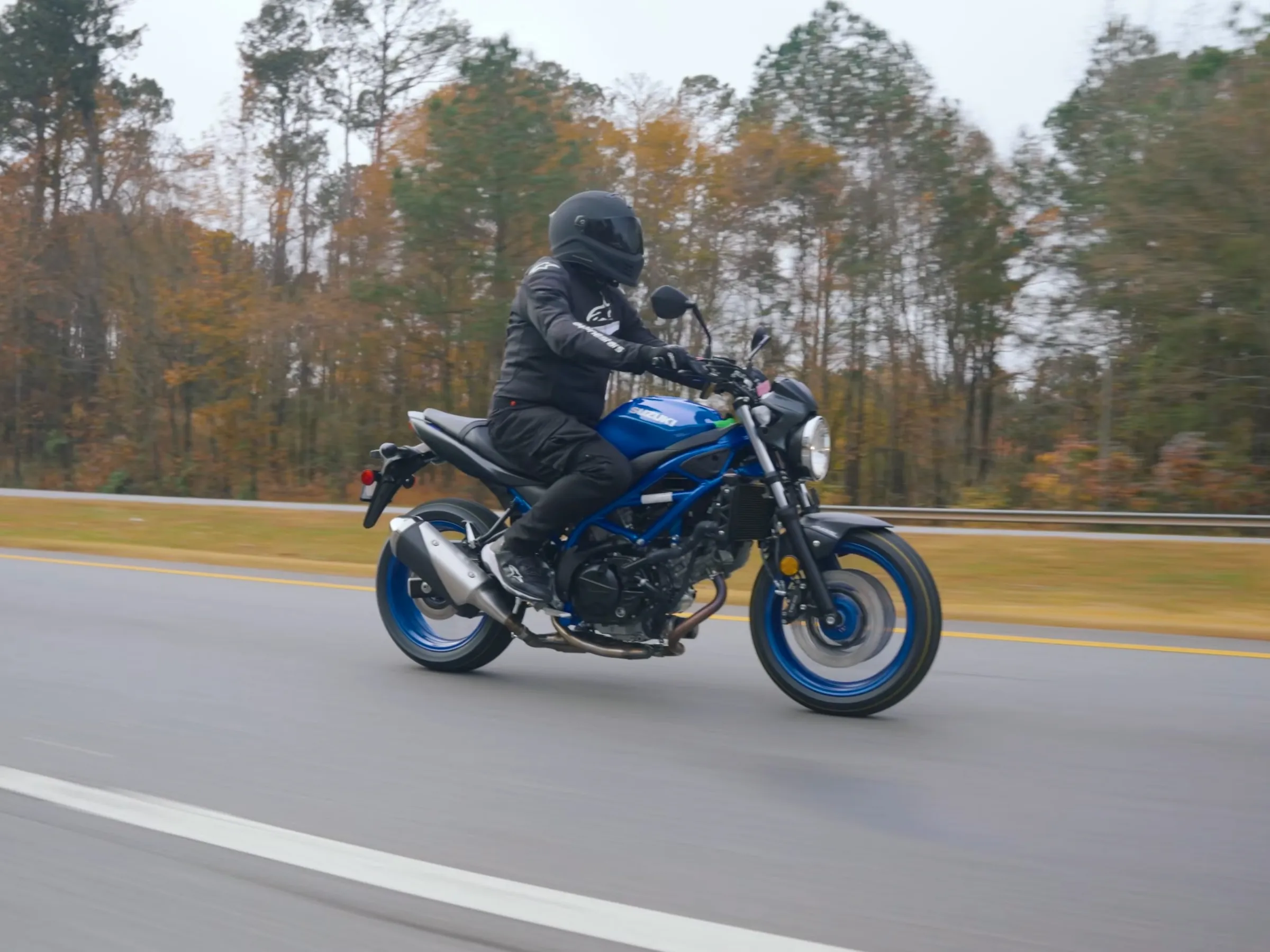
Swipe to explore.
A 2005 SV 650 was the motorcycle that I started riding on.
Rider experience & tech
Comfort is 5. Seat is firm, angles forward slightly (scoots you toward the tank), with a pressure point on the edge. Upright upper body, bars at a reasonable height, pegs under you. No wind protection. Naked bike on a highway is what it is. Vibration builds noticeably past 6,000 rpm at 80 mph, and Chase's practical read: fine for 1.5-2 hours, fatiguing beyond that.
Tech scores the painful 3 and it's Suzuki's choice to not update this bike. No ride modes. No cruise control. No TFT dashboard (it's a two-tone LCD with buttons. The 2005 vibe Chase remembered). No traction control on the base model. No IMU, obviously. The dashboard does have everything functionally necessary: fuel gauge, gear indicator, RPM, speed, trip. It's not bad. It's just twenty years behind the market.
Ease of use is 9. This is the SV's enduring magic. Low seat height (30.9". Among the lowest in class). Predictable power delivery. No complicated menu. No surprise from an IMU doing something you didn't expect. You turn the key, you pull the clutch, you ride. "Incredibly approachable for new and returning riders." This is the reason the SV 650 has been the default beginner V-twin recommendation for two decades.
Versatility is the other 9. "With massive aftermarket options and proven builds from commuter to tour to full track bike, it's a true do-it-all platform." Want panniers and a windscreen? Done, SV-Tour. Want a track bike? Done, SV-Trackday is an entire subculture. Want a cafe build? SV-Cafe is its own genre. Twenty years of aftermarket options means the SV can become literally anything.
Fun-for-the-money is 8. $8,149 brand new for a V-twin middleweight is genuine value. Not the newest, not the flashiest, but functionally correct and supported by the deepest aftermarket in its class.
The Chase Score & final thoughts
With a Chase Score of 62/100, Good Tier, the SV 650 is a study in "the ride score is what's dated, but the usability score knows what this bike is for." 28 ride points + 34 usability points = a balanced machine that wins on accessibility and platform depth what it loses on modern feature-set competition.
Buy it if you're a new rider who wants the most proven, forgiving V-twin on sale, if you're looking for an under-$9k canvas to build into a track or touring bike, or if you learned to ride on one and want the "new-old-stock" version back. Skip it if you want modern tech, if ride modes and cruise are table-stakes for you, or if the GSX-8S (Suzuki's new parallel-twin naked) is within reach of your budget. Chase's close: "If you're first time riding, this is definitely a solid motorcycle to start on." From a guy who did exactly that and built a career around bikes. That's a strong endorsement, plus a real critique.
The Chase Score Breakdown
Technical Specs
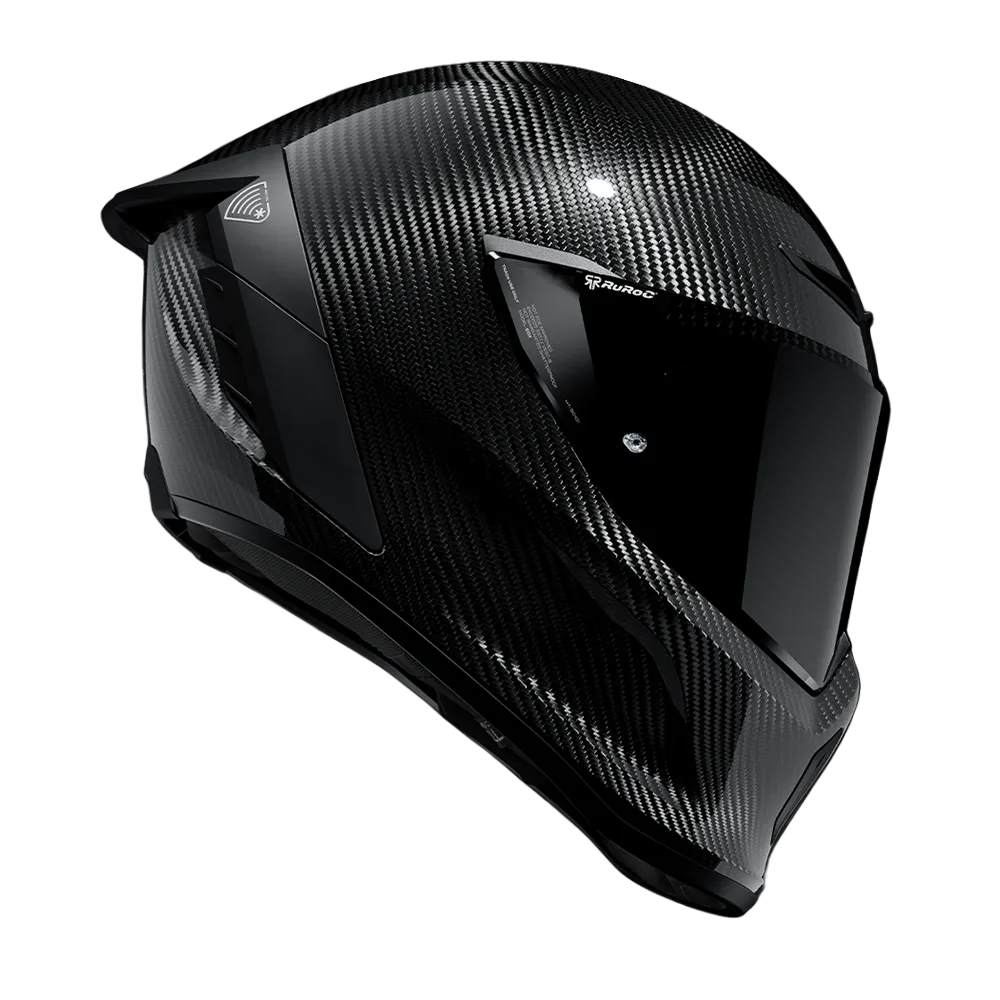
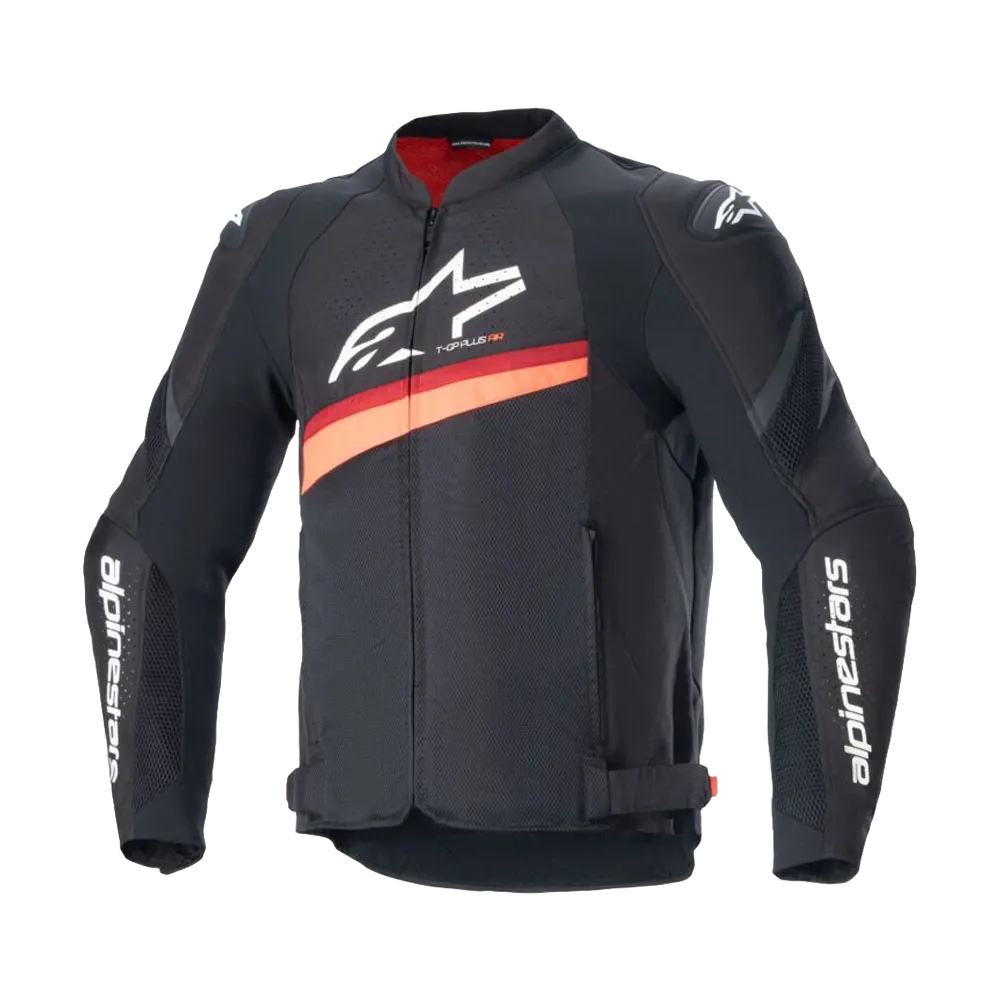
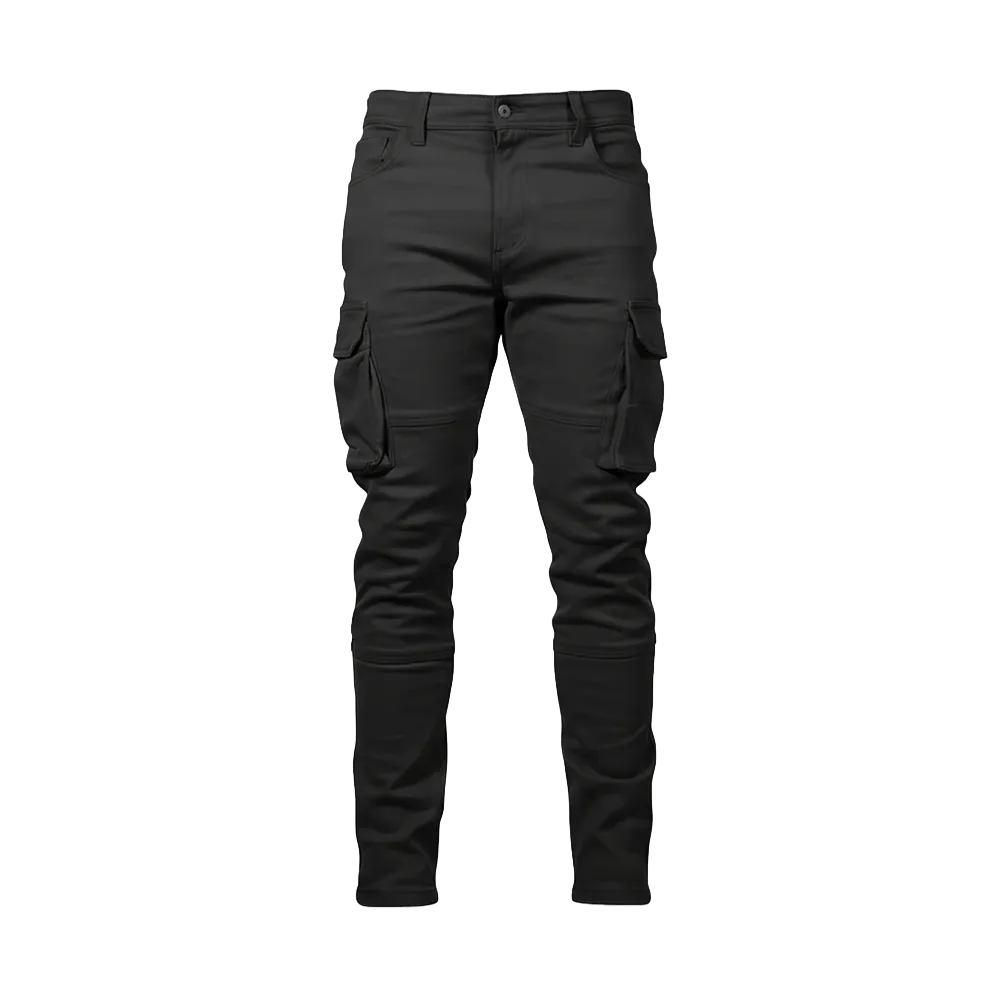
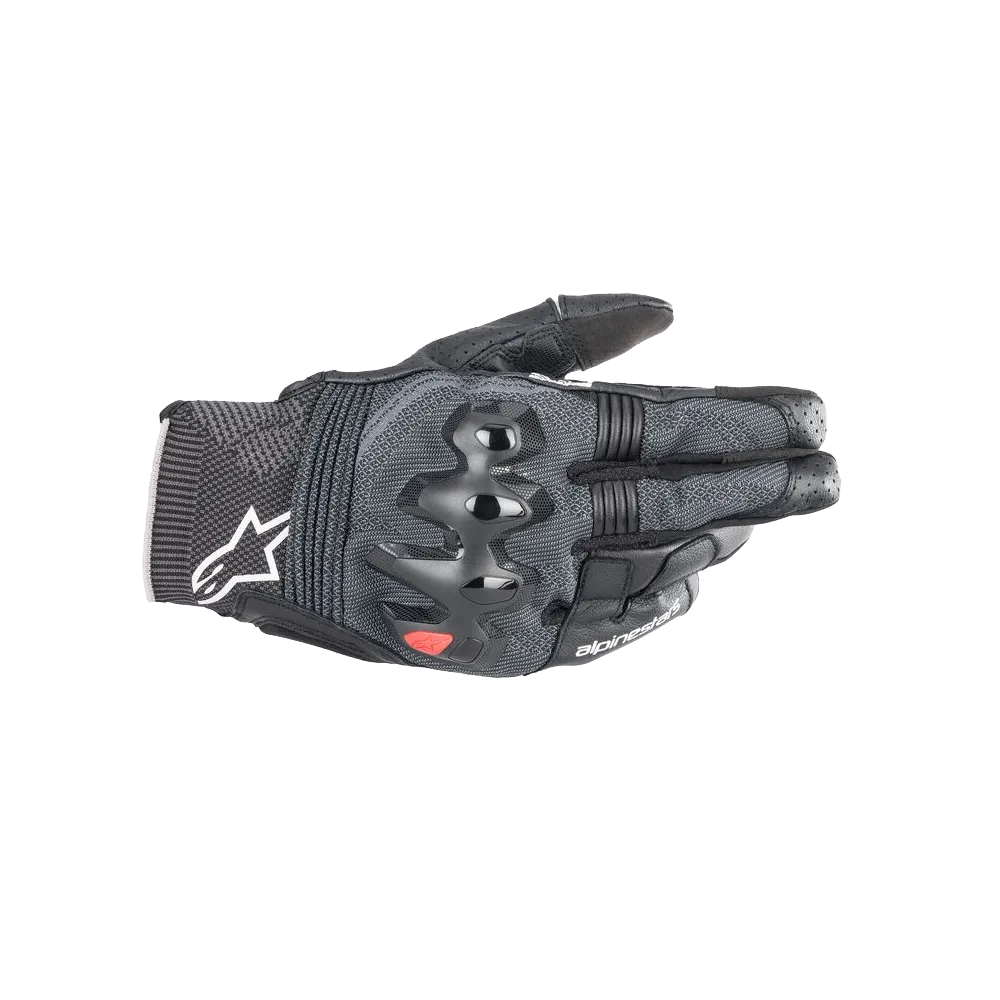
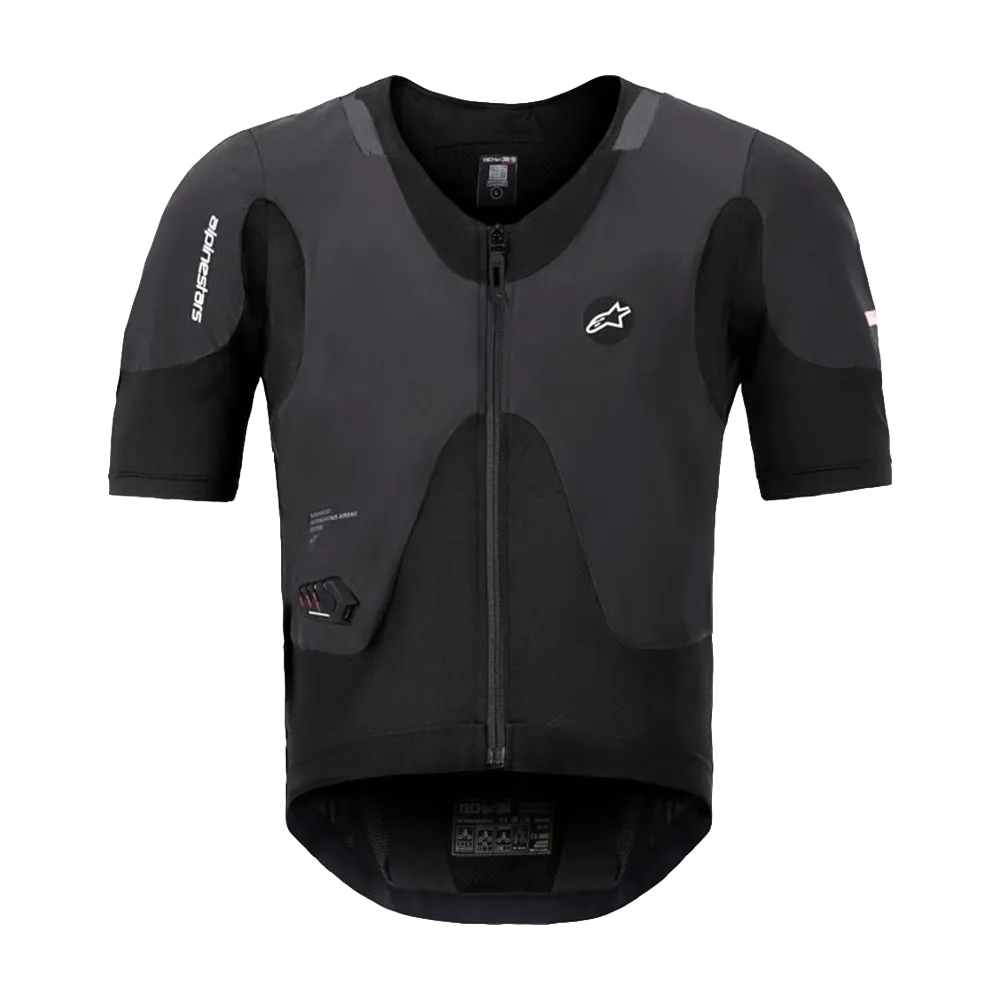
Gear from this ride